Tracing Funding Channel Effects on Tactic Building for Claiming Layered Incentives During Secure Reel Spins and Card Contests
Devon Schröder · Aug 5, 2026
Tracing Funding Channel Effects on Tactic Building for Claiming Layered Incentives During Secure Reel Spins and Card Contests
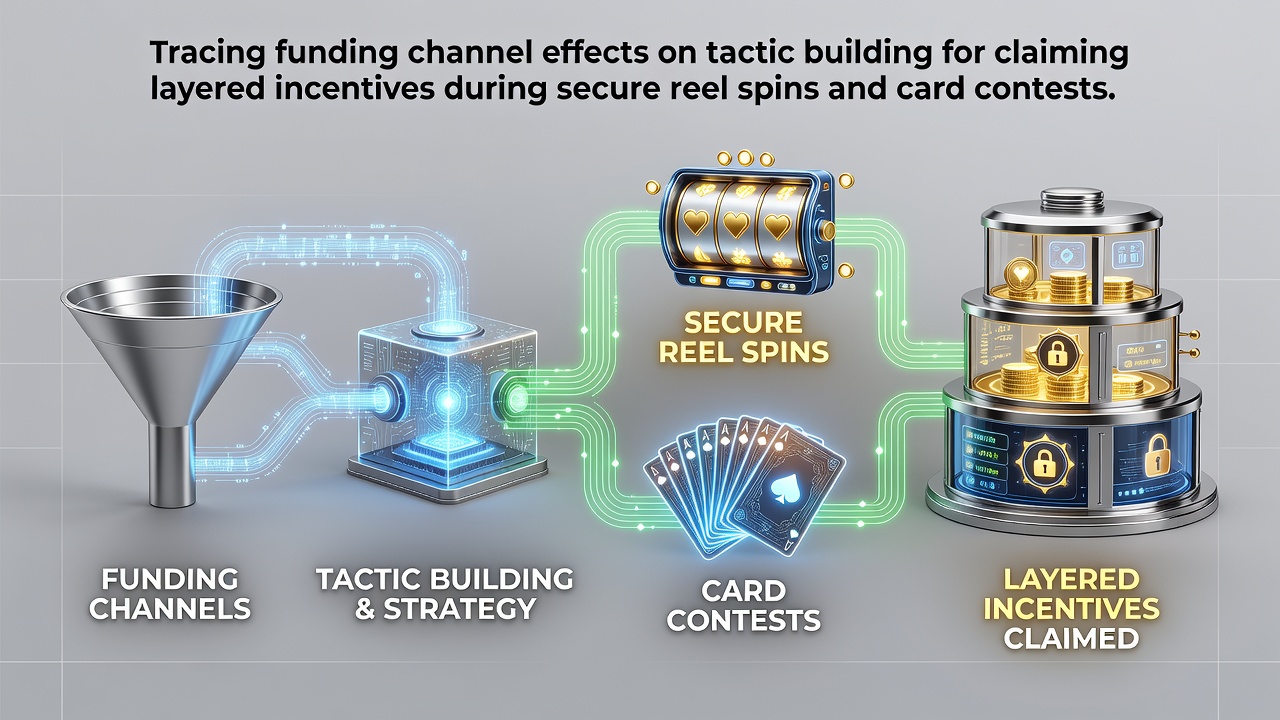
Funding channels in digital gaming environments shape how players construct tactics for claiming layered incentives, especially when those incentives appear across secure reel spins and card contests on mobile apps. Different deposit methods carry distinct verification requirements, processing speeds, and compatibility rules that directly affect which bonuses users can stack during a single session or over multiple rounds.
Payment Method Structures and Their Reach
Bank transfers, e-wallets, and prepaid options each impose separate timelines on fund availability, and those timelines determine when incentive layers become claimable. Researchers tracking transaction data across multiple platforms note that e-wallet deposits often clear verification checks faster than traditional bank routes, allowing users to trigger initial deposit matches before moving into reel or card play. Card contests frequently require an additional confirmation step because of higher regulatory scrutiny on table-game activity, so players who route funds through channels with built-in compliance layers gain earlier access to matching bonuses tied to blackjack or poker rounds.
Verification Layers and Sequence Planning
Secure apps embed multiple verification stages that interact with funding sources in predictable ways. When a player selects a channel already linked to prior verified activity, the system sometimes bypasses redundant checks and releases the first incentive layer immediately. Data collected through industry monitoring services shows this pattern appears most often in August 2026 reports from North American operators, where mobile traffic for hybrid reel-and-card sessions rose notably. Those who map their deposit sequence to match the verification flow reduce the time between funding and the activation of secondary or tertiary incentives, such as free spin packs that unlock only after an initial card-contest wager clears.
Observers tracking user behavior across platforms find that certain funding routes align better with the technical requirements of layered promotions. Prepaid vouchers, for instance, sometimes carry their own bonus codes that stack with operator-driven offers, whereas direct bank deposits may restrict the total number of active incentives per account. This distinction matters during card contests because many platforms cap the value of stacked rewards once a player enters live-dealer tables, forcing users to plan the order of claims before committing funds.
Regional Regulatory Influences on Channel Selection
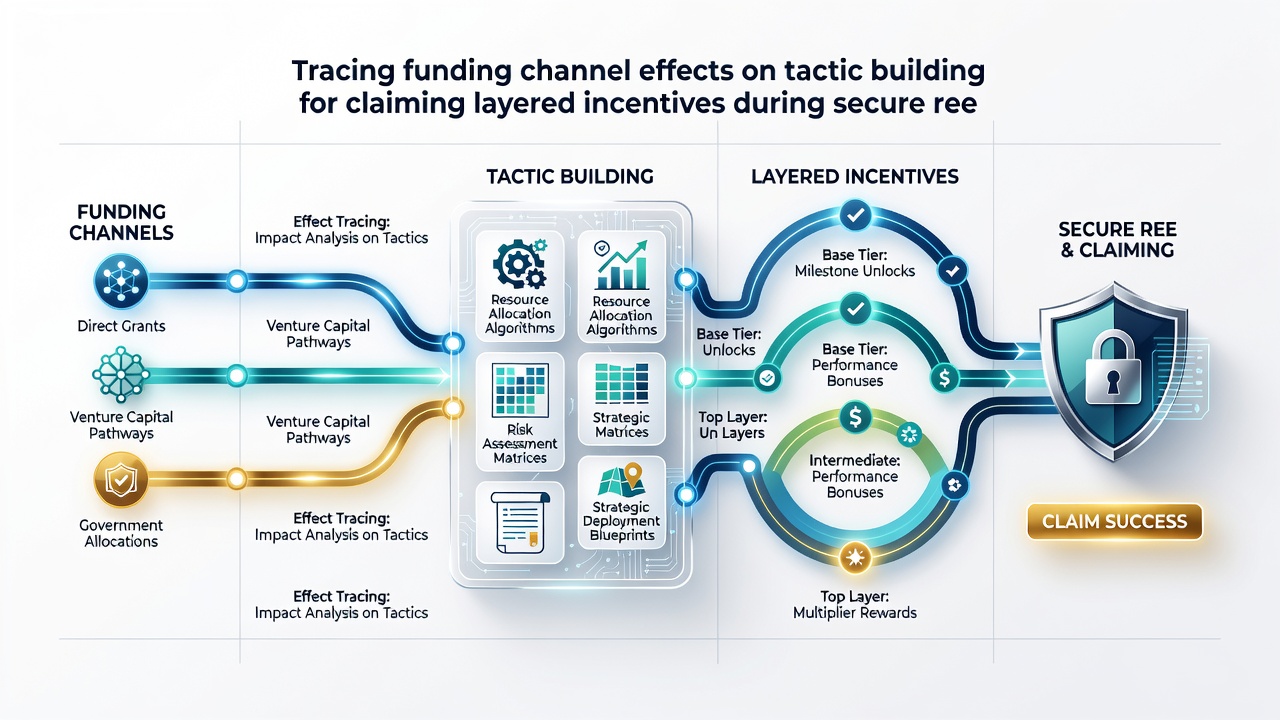
Regulatory frameworks in various jurisdictions add another variable to tactic construction. The Malta Gaming Authority publishes quarterly summaries that detail how licensed operators must separate promotional funds from player deposits, and those rules influence which channels support multi-layer claims without triggering compliance flags. Similar reporting from the Australian Communications and Media Authority highlights that certain prepaid methods face stricter anti-money-laundering thresholds, which can delay the release of second-tier incentives until additional documentation clears. Players who review these regional guidelines before selecting a funding route adjust their sequence of reel spins and card contests to keep all eligible layers active within the required time windows.
Industry associations such as the European Gaming and Betting Association compile cross-border data on payment trends, revealing that e-wallet adoption correlates with higher rates of successful layered incentive claims in hybrid sessions. The association's reports indicate that users who combine one rapid-verification channel for initial deposits with a secondary method for follow-up wagers maintain more active bonuses across both reel and card segments than those relying on a single route.
Practical Sequence Adjustments in August 2026
Current platform updates in August 2026 have introduced tighter encryption checks during card-contest entries, and these checks interact with funding channels in ways that reward advance planning. Players who preload accounts through channels with pre-approved status complete the encryption handshake faster, unlocking spin-based incentives that would otherwise remain pending until the card game segment finishes. Documentation from operator compliance teams shows that this timing difference can determine whether a player captures three stacked layers or only two before promotional periods expire.
Case examples drawn from public user forums and aggregated session logs demonstrate consistent patterns. One documented sequence involves routing an initial deposit through an e-wallet to claim a reel-spin match, then switching to a verified bank transfer for the card-contest entry that triggers an additional wager-based layer. The transition works only when the first channel has already satisfied the platform's identity verification, allowing the second channel to inherit that status without repeating the full process.
Conclusion
Funding channel selection continues to serve as a foundational element in building effective tactics for layered incentive claims across secure reel spins and card contests. As platforms refine their verification protocols and regional regulators update reporting standards, the interplay between deposit methods and promotional structures remains central to how users manage their activity on mobile interfaces. Data from multiple oversight bodies and industry groups confirms that deliberate sequencing based on channel characteristics produces measurable differences in the number and value of incentives successfully activated within a single session cycle.