The Impact of Regional Licensing Requirements on Spin Bonus Structures Within Interactive Dealer Sessions
Dana Bennett · Oct 19, 2026

The Impact of Regional Licensing Requirements on Spin Bonus Structures Within Interactive Dealer Sessions
Regional licensing frameworks shape how operators structure spin bonuses in interactive dealer sessions, and these rules vary sharply across jurisdictions. Data from multiple regulatory bodies shows that licensing conditions directly influence bonus eligibility, trigger mechanisms, and payout caps in live dealer formats that combine card or wheel elements with spin features. Licensing authorities in different regions impose specific technical and operational standards that determine whether bonus spins can activate during dealer-hosted rounds. In practice this means operators must adjust their platforms to meet local rules before offering any combined reel and table game incentives.Licensing Variations Across Key Markets
North American state regulators and European authorities apply distinct criteria to bonus structures. Nevada and New Jersey gaming control boards require that any spin bonus tied to live dealer sessions undergo separate testing for fairness and integration with real-time dealer feeds, while several EU member states tie bonus approval to player protection thresholds that cap the number of consecutive free spins available in a single session.
Canadian provincial regulators, including those in Ontario, focus on wallet integration rules that affect how deposited funds convert into bonus spins during interactive dealer play. Australian state commissions examine similar structures through a lens of harm minimization, requiring operators to display bonus terms before any live session begins.
Technical Adjustments Operators Must Make
Operators respond to these licensing demands by reprogramming bonus engines so that spin triggers align with each jurisdiction's code. This often involves separating the random number generator used for bonus spins from the dealer randomization process, and it creates distinct bonus pools that activate only when a player's location matches the licensed territory.
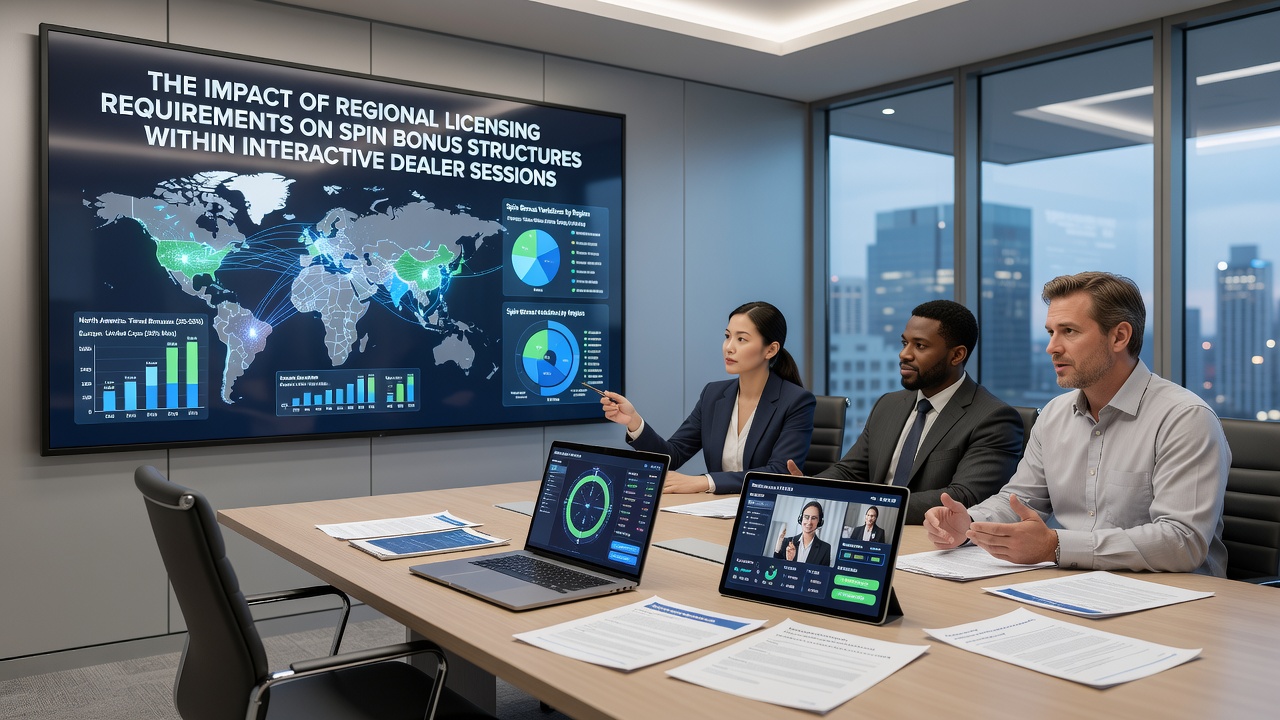
Those who have examined platform updates note that October 2026 brought new compliance deadlines in several markets, prompting operators to introduce geo-specific bonus menus that change automatically when users cross licensing borders. These menus limit or expand available spin multipliers depending on the active license.
Effects on Player Experience and Bonus Layering
Players encounter different bonus mechanics depending on the regulatory environment they access. In markets with stricter spin limits, interactive dealer sessions may offer fewer free rounds but higher per-spin values, whereas regions with more flexible rules allow multiple smaller bonuses that stack across consecutive hands or wheel spins.
Research from industry reports indicates that these differences influence session length and betting patterns, because participants adjust their strategies to maximize whatever bonus structure the local license permits. Operators track these patterns through compliance dashboards that flag any deviation from approved bonus parameters.
Operator Compliance and Platform Development
Platform developers maintain separate code branches for each licensed region so that bonus logic remains compliant without requiring full system overhauls. This modular approach lets operators activate or deactivate specific spin features as new licensing agreements come into force.
According to data released by the Nevada Gaming Control Board, live dealer platforms operating under their oversight reported measurable shifts in bonus redemption rates after updates tied to regional rules took effect in 2026. Similar patterns appear in reports from other jurisdictions that publish aggregated performance figures.
Conclusion
Regional licensing requirements continue to drive structural changes in how spin bonuses function within interactive dealer sessions. Operators that maintain flexible, location-aware systems meet regulatory standards while still delivering varied bonus options across different markets. The ongoing evolution of these rules shapes both the technical architecture and the day-to-day mechanics players encounter during live sessions.