Mapping Regulatory Frameworks to Reward Structures in Cross-Platform Reel and Table Applications
Parker Flores · Jul 22, 2026

Mapping Regulatory Frameworks to Reward Structures in Cross-Platform Reel and Table Applications
Regulatory frameworks shape how operators design reward structures in applications that combine reel-based games with table options across mobile and desktop platforms. These frameworks vary by jurisdiction yet share common threads around player protection, fairness standards, and financial transparency. Data from multiple regions shows that rules on bonus caps, wagering requirements, and game return-to-player percentages directly influence the incentives operators can offer without triggering compliance violations.
Core Components of Cross-Platform Systems
Cross-platform applications allow seamless transitions between reel mechanics and card or table formats while maintaining consistent user accounts and reward ledgers. Developers integrate real-time synchronization protocols so that progress toward a bonus threshold achieved on a reel game carries over to table sessions without resetting. Observers note that this continuity requires careful alignment with regional licensing conditions that often mandate separate tracking for different game categories.
Operators must map each regulatory requirement to specific reward parameters. For instance, limits on maximum bonus amounts in certain markets force adjustments to how loyalty points accumulate during hybrid play sessions. Research indicates that applications serving multiple jurisdictions employ modular reward engines that activate or deactivate features based on user location and applicable rules.
Jurisdictional Variations and Their Effects
Nevada regulations emphasize strict controls on promotional credits tied to table games, requiring operators to maintain detailed audit trails for every reward issued. In contrast, frameworks in Australian states place greater focus on time-based restrictions that cap continuous play periods before reward eligibility resets. These differences create distinct reward calendars where one region permits daily free spin grants while another enforces weekly limits regardless of game type.
Canadian provincial authorities have introduced guidelines that tie reward multipliers to verified deposit sources, affecting how cross-platform apps layer incentives for both reel and table users. According to reports from the Nevada Gaming Control Board, operators updated their systems in early 2026 to flag reward claims that exceed thresholds linked to table game participation. Similar updates rolled out in other markets around the same period.
Technical Mapping Processes
Developers create decision trees that translate regulatory text into code logic. Each clause covering bonus validity periods or game contribution percentages becomes a conditional check within the application backend. When a player switches from reels to tables, the system recalculates remaining wagering requirements using jurisdiction-specific formulas.
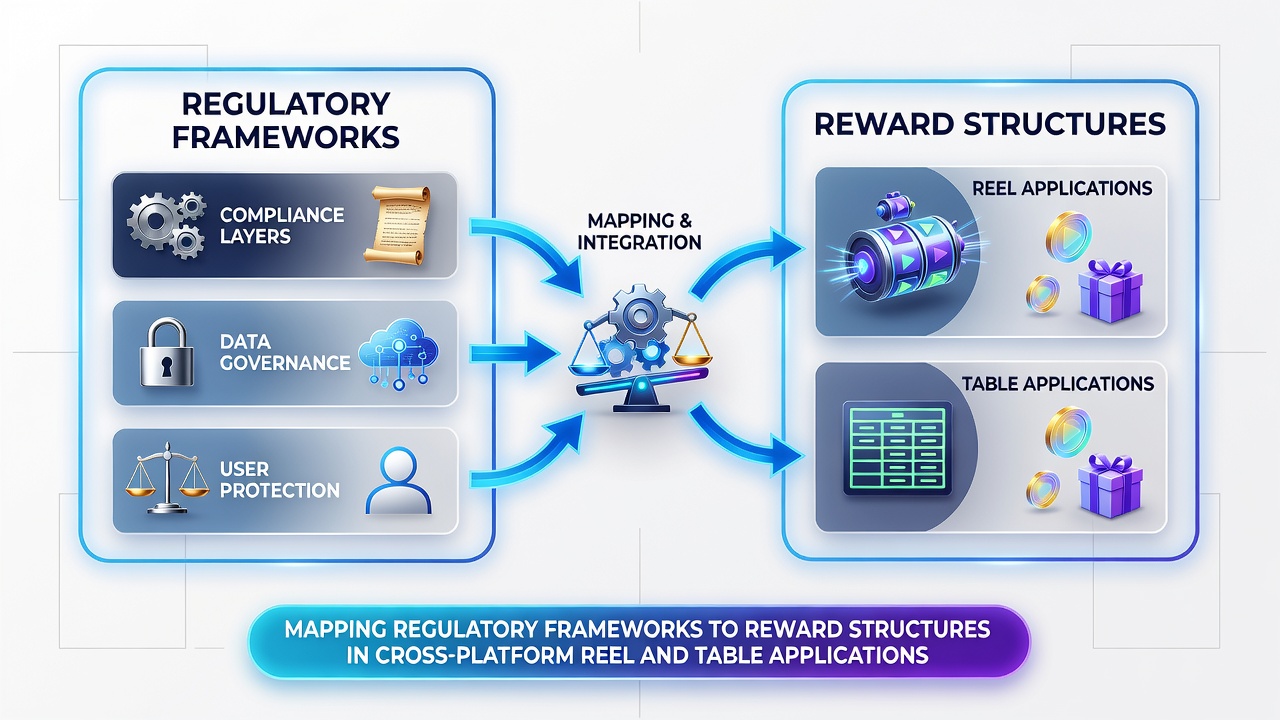
Testing protocols verify that these mappings prevent unauthorized reward stacking. Automated compliance modules scan transaction logs in real time and pause reward distribution if patterns suggest rule conflicts. Industry reports show that successful implementations reduce regulatory queries by maintaining clear separation between reel-derived and table-derived reward pools.
Updates Observed in July 2026
During July 2026 several jurisdictions released revised interpretations concerning hybrid game rewards. One development involved clearer definitions of what constitutes a table game contribution toward overall bonus clearance. Applications responded by adjusting internal weighting systems so that reel spins and table rounds contribute proportionally rather than equally in mixed sessions.
Another change clarified rules around cross-border account access. Operators serving users in multiple regions implemented additional verification layers that determine which reward structure applies based on the user's primary regulatory environment at login. Figures released that month indicated a measurable shift in how frequently players completed bonus cycles without triggering review flags.
Future Adaptations and Industry Response
Trade associations have documented efforts to standardize data formats for reward reporting across platforms. These formats allow regulators to review aggregated statistics without accessing individual player details. Experts have observed that standardized reporting reduces administrative burden while preserving the ability to detect systematic deviations from approved reward models.
Academic studies from research institutions continue to examine correlations between specific regulatory clauses and observed reward redemption rates. One paper published mid-2026 analyzed data from multiple operators and found consistent patterns where stricter bonus validity rules correlated with lower average session lengths across both reel and table categories.
Conclusion
Mapping regulatory frameworks to reward structures remains an ongoing process driven by evolving rules and technological capabilities. Applications that maintain flexible yet precise connections between legal requirements and incentive mechanics continue to operate across diverse markets. The patterns established through systematic mapping provide a foundation for future adjustments as new guidelines emerge in different regions.