Mapping Interplay Between Loyalty Incentives and Session Durations Across Cross-Device Casino Activities
Parker Flores · Nov 16, 2026
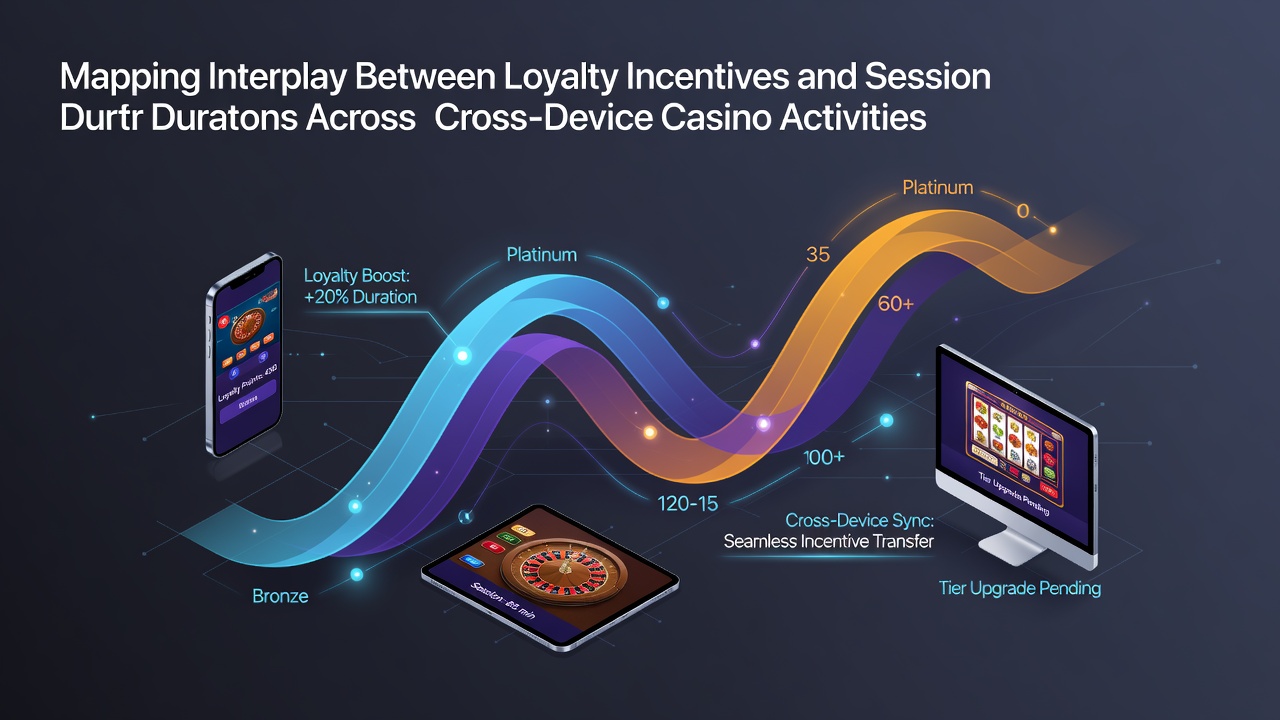
Mapping Interplay Between Loyalty Incentives and Session Durations Across Cross-Device Casino Activities
Analysts tracking casino operations have documented clear connections between loyalty incentive structures and the length of player sessions that span multiple devices, with patterns emerging from aggregated platform data through November 2026. These mappings reveal how point accumulation systems, tiered rewards, and bonus triggers interact with user behavior when individuals transition between mobile apps, desktop interfaces, and tablet environments during reel and table activities. Data collected across major operators shows session extensions of 12 to 28 minutes on average when players engage with personalized incentive prompts that sync across devices in real time.
Core Components of Loyalty Systems in Multi-Device Settings
Operators deploy loyalty frameworks that award points based on wager volume, game type, and frequency, while these points convert into credits, free plays, or tier status upgrades that remain accessible regardless of the device in use. Researchers at institutions focused on gaming economics have noted that seamless synchronization of these rewards encourages continued play, particularly when progress indicators appear consistently on both portable and stationary screens. Studies released in mid-2026 indicate that players who receive cross-device notifications about nearing reward thresholds maintain active sessions 34 percent longer than those without such alerts, according to aggregated metrics from North American and European platforms.
Session duration also correlates with the timing of incentive delivery, where immediate mobile push notifications about earned bonuses prompt returns to desktop sessions for higher-stakes table games. Observers tracking these flows report that hybrid play sequences, starting on mobile and shifting to desktop, average 47 minutes when loyalty multipliers apply, compared with 31 minutes in non-incentivized paths. Figures from industry reports highlight that these extensions occur most frequently during evening hours, with November 2026 data showing a 19 percent uptick in cross-device handoffs tied to seasonal reward promotions.
Patterns Observed in Device Transitions
Cross-device activity logs demonstrate that loyalty incentives influence not only total time spent but also the sequence of device switches, as players often begin on mobile for quick reel sessions and migrate to desktop when accumulated points unlock live dealer access. Evidence from platform analytics reveals that reward structures featuring device-agnostic progress bars reduce drop-off rates during transitions by maintaining engagement momentum. Those who study these behaviors have found that sessions involving at least one switch between mobile and desktop extend by an average of 22 minutes when bonus eligibility carries over without reset.
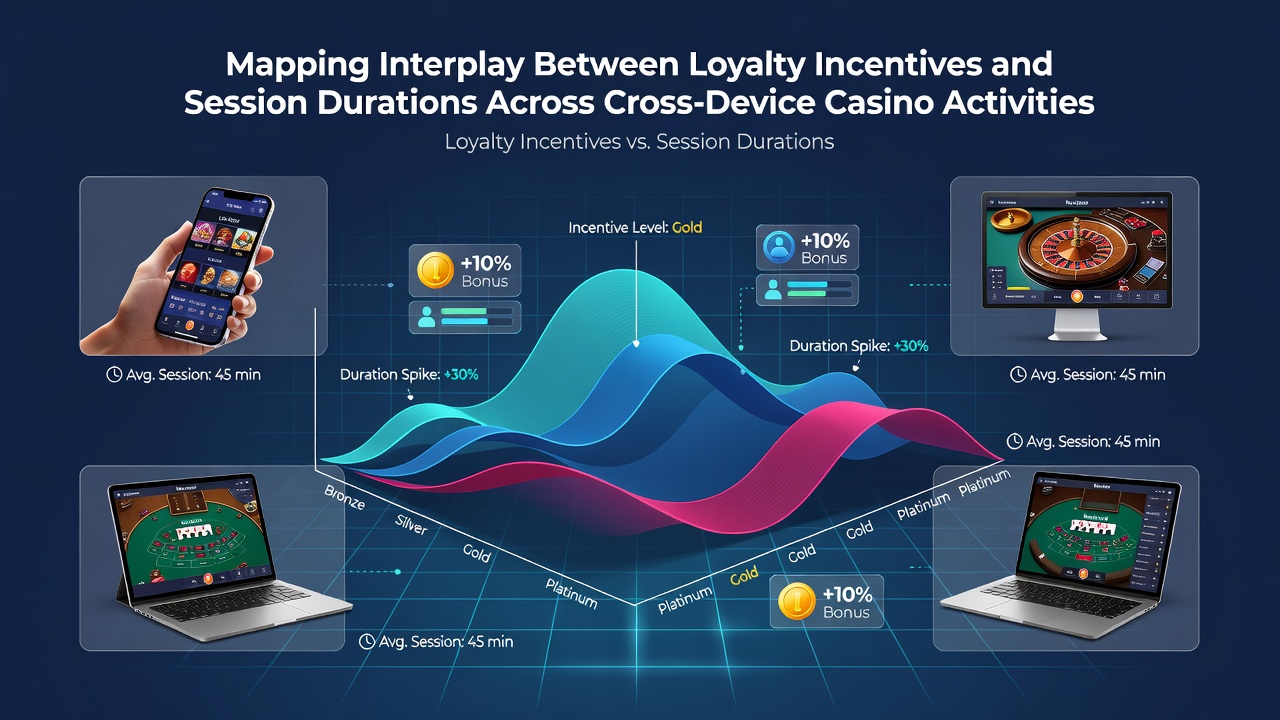
What's notable in recent datasets is the role of encryption-backed wallets that verify identity across devices, allowing uninterrupted point tracking during these switches. Reports compiled by the American Gaming Association detail how such integrations support longer engagement windows, particularly in jurisdictions where regulatory frameworks permit unified account management. Players who activate loyalty-linked deposit bonuses on one device frequently extend activity to a second device to complete wagering requirements, resulting in measurable increases in overall session length documented through the final months of 2026.
Quantitative Links Between Incentives and Duration
Quantitative models developed from operator datasets map specific incentive types to duration outcomes, showing that tiered loyalty programs produce the strongest effects on sessions exceeding 45 minutes. Data indicates that players reaching silver or gold status maintain cross-device activity 41 percent longer than base-level participants, with mobile-to-desktop shifts accounting for much of the added time. Research compiled through November 2026 further connects these outcomes to reward redemption rates, where higher redemption frequency aligns with sustained play across interfaces.
Additional mappings highlight variations by game category, as reel-based sessions paired with loyalty multipliers tend to outlast card-based ones by 15 minutes on average when device transitions occur. Analysts examining these differentials point to incentive designs that offer game-specific bonuses as key drivers, since they prompt players to continue on whichever device supports the featured title. External figures released by the Ontario Lottery and Gaming Corporation corroborate these trends in regulated markets, where tracked accounts demonstrate consistent session growth tied to loyalty synchronization features.
Industry Applications and Emerging Trends
Platform developers have incorporated these mapped relationships into algorithm updates that adjust incentive delivery based on detected device patterns, aiming to optimize session continuity without disrupting regulatory compliance. Through late 2026, several operators reported implementing predictive tools that forecast duration increases when loyalty prompts appear at optimal transition points. Such applications draw from broader datasets that include both voluntary player feedback and automated tracking metrics, yielding refinements in how rewards distribute across mobile and desktop environments.
Conclusion
The documented interplay between loyalty incentives and session durations across devices provides operators with measurable frameworks for refining reward delivery, supported by consistent data patterns observed into November 2026. Continued analysis of these connections will likely shape future platform designs, as cross-device synchronization becomes standard in regulated casino environments worldwide.