Interface Elements Guiding Decision Sequences in Real-Time Card Sessions Across Regulated Handheld Platforms
Sofia Schwarz · Sep 21, 2026

Interface Elements Guiding Decision Sequences in Real-Time Card Sessions Across Regulated Handheld Platforms
Regulated handheld platforms host card sessions where interface elements direct player choices during live play, and these components appear in applications compliant with state and provincial oversight across North America and parts of Europe. Developers design layouts that present cards, timers, and action controls in sequences that match the pace of table games such as blackjack or poker variants. Data from regulatory filings indicate that platforms in New Jersey and Pennsylvania processed millions of such sessions each month through 2026, with interface adjustments tracked for compliance with fairness standards.
Handheld screens limit space, so elements occupy defined zones that users access through taps or swipes. Central areas display community cards or hole cards while peripheral zones hold buttons labeled for specific moves like hit, stand, or raise. Observers note that color coding and size scaling help distinguish available options from unavailable ones, which reduces selection errors during rapid rounds. In September 2026 several operators updated button animations to include progress indicators that align with server-side timers, a change documented in compliance reports submitted to gaming control boards.
Core Visual Components and Their Sequencing Role
Card rendering forms the foundation of decision flow on these platforms. High-resolution images update in milliseconds after each server confirmation, and layered transparency effects allow overlapping cards to remain legible. Text overlays on individual cards sometimes show suit and rank in enlarged fonts for accessibility, while dynamic shadows indicate which cards belong to the active player. Research conducted by academic groups at institutions studying human-computer interaction shows that consistent card orientation and spacing correlate with fewer misclicks across repeated sessions.
Action buttons follow a linear or radial arrangement depending on the game variant. In sequences that require multiple choices within one turn, buttons activate or deactivate based on prior selections, and this logic prevents invalid moves before the server processes them. For instance a fold option may dim once a player commits chips, guiding attention toward remaining choices. Industry reports compiled by the American Gaming Association track how such conditional activation maintains session integrity under regulatory audits.
Timer Systems and Real-Time Pressure Indicators
Countdown elements appear as circular progress rings or horizontal bars positioned near the decision zone. These timers sync with backend clocks that enforce turn limits, typically set between fifteen and thirty seconds for standard card actions. When time approaches expiration the interface intensifies color shifts or adds audible cues that registered devices can enable or mute. Figures released by the Nevada Gaming Control Board in mid-2026 noted that platforms incorporating graduated timer warnings experienced measurable reductions in time-based forfeits during peak evening hours.
Additional status panels display aggregate table information such as pot size or community card history without interrupting the primary decision path. Players access expanded statistics through expandable drawers that slide from screen edges, preserving focus on immediate choices. Those who study mobile interface patterns report that collapsible panels allow experienced users to maintain faster decision rates while new participants retain access to contextual data.
Regulatory Compliance Embedded in Interface Logic
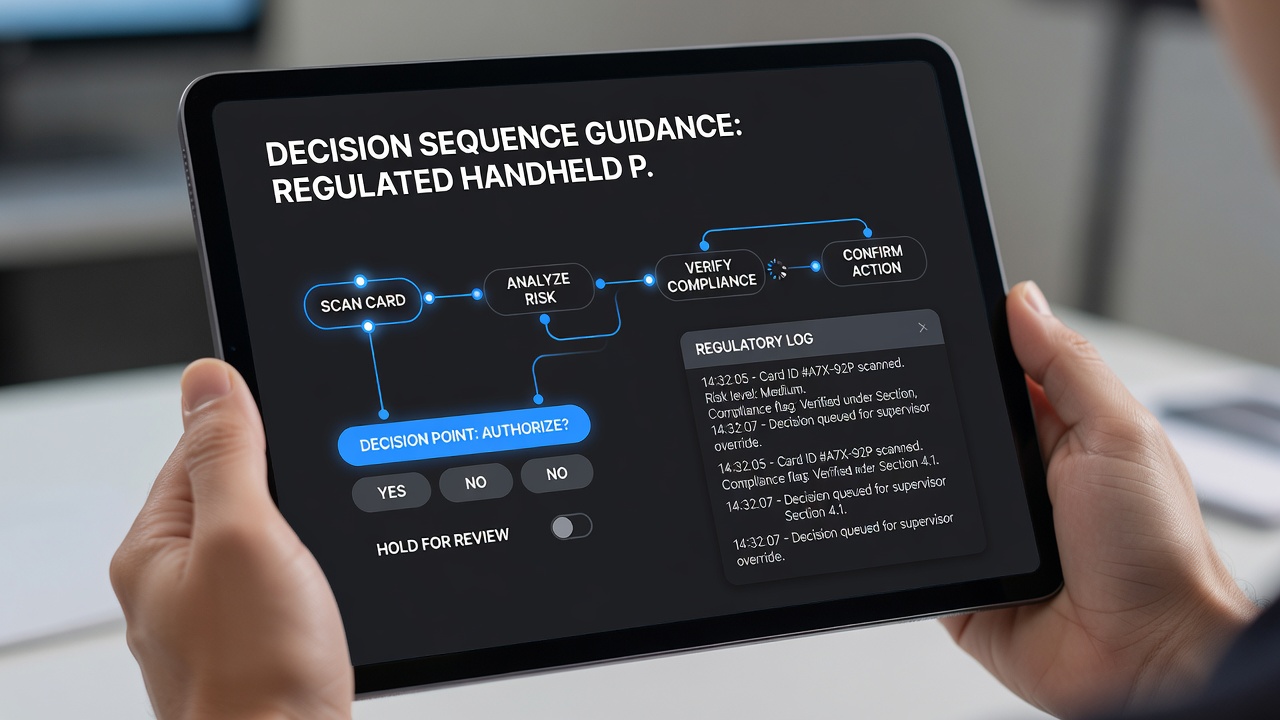
Handheld applications must embed verification steps that confirm player identity and location before each session begins, yet these checks occur outside the active card sequence to avoid disrupting flow. Interface elements include session pause controls that comply with responsible gaming mandates, allowing temporary halts without losing hand state. Data published by the Alcohol and Gaming Commission of Ontario illustrates how standardized pause indicators appear uniformly across licensed operators, supporting cross-platform consistency.
Accessibility features such as voice-over labels for buttons and adjustable contrast modes appear in updated builds released throughout 2026. These additions follow guidelines issued by multiple jurisdictions and integrate directly into decision sequences rather than as separate menus. Platforms that incorporated these elements early recorded higher retention metrics in quarterly summaries filed with oversight agencies.
Adaptive Layouts Across Device Types
Tablet versions expand the central card area while repositioning secondary controls along wider bezels, adn phone interfaces stack elements vertically to accommodate smaller viewports. Developers test layouts against device orientation changes so that a player rotating a handset mid-hand experiences uninterrupted button availability. Case examples documented by software testing firms show that orientation-aware scaling maintains decision accuracy rates above 98 percent across common smartphone models used in regulated markets.
Network latency indicators occasionally surface as subtle bars or icons that inform players of connection stability without blocking action selection. When latency rises the interface may extend timer allowances automatically, a safeguard built into several major platforms and verified during regulatory testing cycles.
Conclusion
Interface elements on regulated handheld platforms coordinate visual, temporal, and logical cues that steer decision sequences in real-time card sessions. Card displays, action controls, timers, and status panels operate together to present options clearly while meeting oversight requirements from bodies such as the Nevada Gaming Control Board and the Alcohol and Gaming Commission of Ontario. Continued refinements documented through 2026 demonstrate how these components adapt to device constraints and regulatory expectations without altering core game mechanics.