Correlating Secure Funding Mechanisms with Optimal Approaches in Handheld Live and Automated Gaming Scenarios
Devon Schröder · Aug 1, 2026
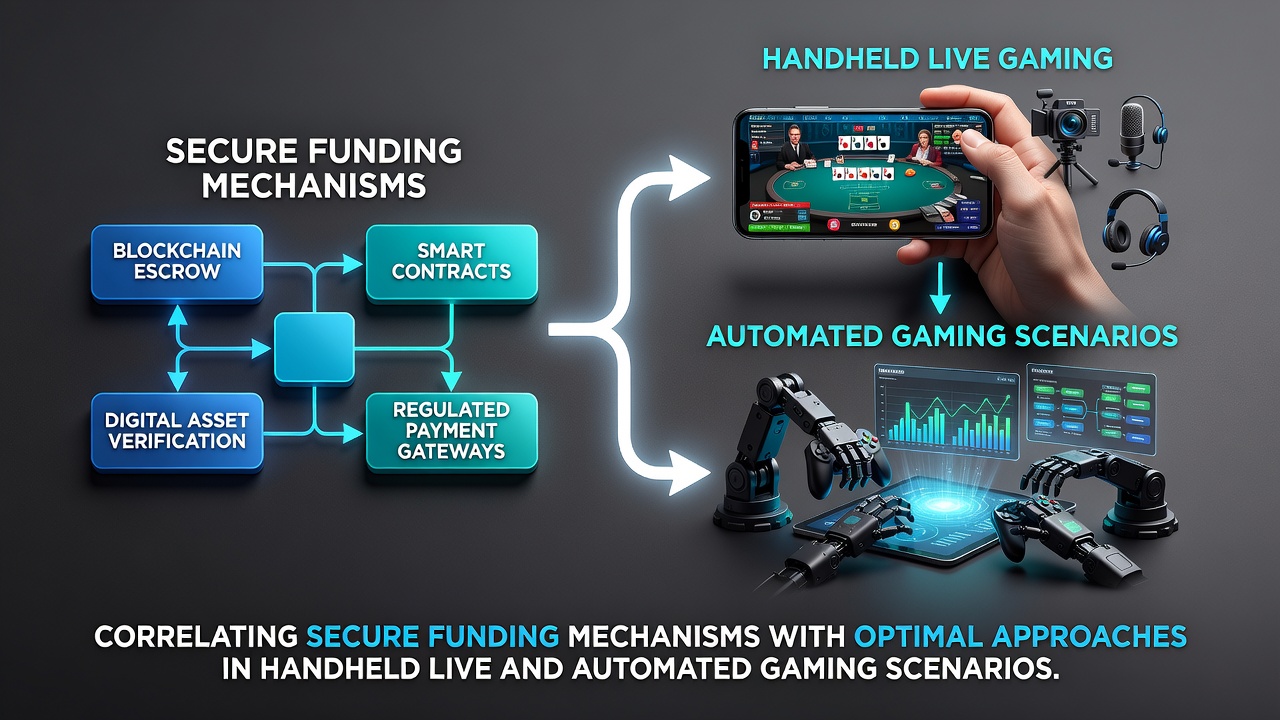
Correlating Secure Funding Mechanisms with Optimal Approaches in Handheld Live and Automated Gaming Scenarios
Secure funding mechanisms in handheld gaming environments connect directly to strategy deployment across live dealer sessions and automated reel or card platforms, with verification layers and encryption standards shaping how players access and manage funds during extended play. As of August 2026 observers note continued growth in mobile transaction volumes, where digital wallet integrations and tokenized payment systems reduce friction while maintaining compliance across multiple jurisdictions.
Funding Pathways and Their Technical Foundations
Digital wallets, bank transfers, and prepaid options each carry distinct security profiles that influence session timing and risk management in both automated slot sequences and live dealer table interactions. Researchers at institutions tracking payment technology have documented how multi-factor authentication paired with end-to-end encryption allows faster deposit confirmation, which in turn supports more precise bet sizing and bankroll allocation during live streams. Those who have examined transaction logs across platforms report that users relying on verified e-wallet accounts experience fewer interruptions when shifting between automated spins and interactive dealer rounds, since the same security token often carries forward without repeated re-entry.
Encryption Standards and Session Continuity
Encryption protocols such as TLS 1.3 and device-specific biometric checks correlate with higher completion rates for bonus wagering requirements, particularly when players move between handheld automated games and live dealer environments within the same application. Data compiled by regional regulators shows that platforms employing tokenization at the funding stage maintain lower rates of session abandonment, because players avoid repeated security prompts that can disrupt concentration during time-sensitive live table decisions. The Alcohol and Gaming Commission of Ontario has published findings indicating that secure funding pathways integrated at the app level allow operators to apply real-time limit controls without introducing additional latency, a factor that becomes relevant when users adjust stakes mid-session across different game types.

Verification Layers and Tactical Adjustments
Identity verification completed at the deposit stage often unlocks tiered account features that directly affect optimal play patterns, such as higher withdrawal thresholds or accelerated bonus releases. Studies examining user behavior on portable platforms have found that accounts cleared through document upload and facial recognition tend to sustain longer engagement periods, allowing individuals to apply consistent strategies whether they are navigating automated reel progressions or participating in live card sequences. Observers note that these verification steps, when handled through secure funding channels, also reduce the likelihood of temporary holds that could interrupt automated game cycles or force abrupt exits from live dealer tables.
Cross-Platform Strategy Correlations
Analyses of aggregated session data reveal patterns where players who fund accounts via methods with built-in spending alerts demonstrate more disciplined bankroll management across both live and automated formats. A report from the University of Nevada, Las Vegas gaming research division highlights that such alert systems, tied to initial funding mechanisms, help maintain adherence to pre-set loss limits even when users switch rapidly between handheld live streams and automated titles. This correlation holds across different device operating systems, suggesting the funding layer itself serves as an anchor point for disciplined decision-making rather than the game interface alone.
Regulatory Context and Emerging Standards
Jurisdictions continue to refine requirements around payment security, with emphasis on how funding sources interface with responsible gaming tools embedded in mobile applications. As standards evolve, platforms that align encryption practices with funding verification see measurable improvements in user retention metrics, according to industry summaries released in mid-2026. These alignments support smoother transitions for players who alternate between live dealer environments requiring real-time decisions and automated games that reward steady, incremental play.
Conclusion
The documented links between secure funding mechanisms and effective strategy execution in handheld gaming rest on measurable technical and behavioral data rather than isolated preferences. Encryption, verification timing, and alert integration each contribute to session stability across live and automated formats, with regulatory and academic sources confirming these relationships through transaction and engagement records. Continued monitoring of these correlations will shape how platforms refine mobile interfaces through the remainder of 2026 and beyond.