Charting How Audio Layering in Digital Reel Designs Influences Session Durations Across Platform Types
Dana Bennett · Aug 3, 2026
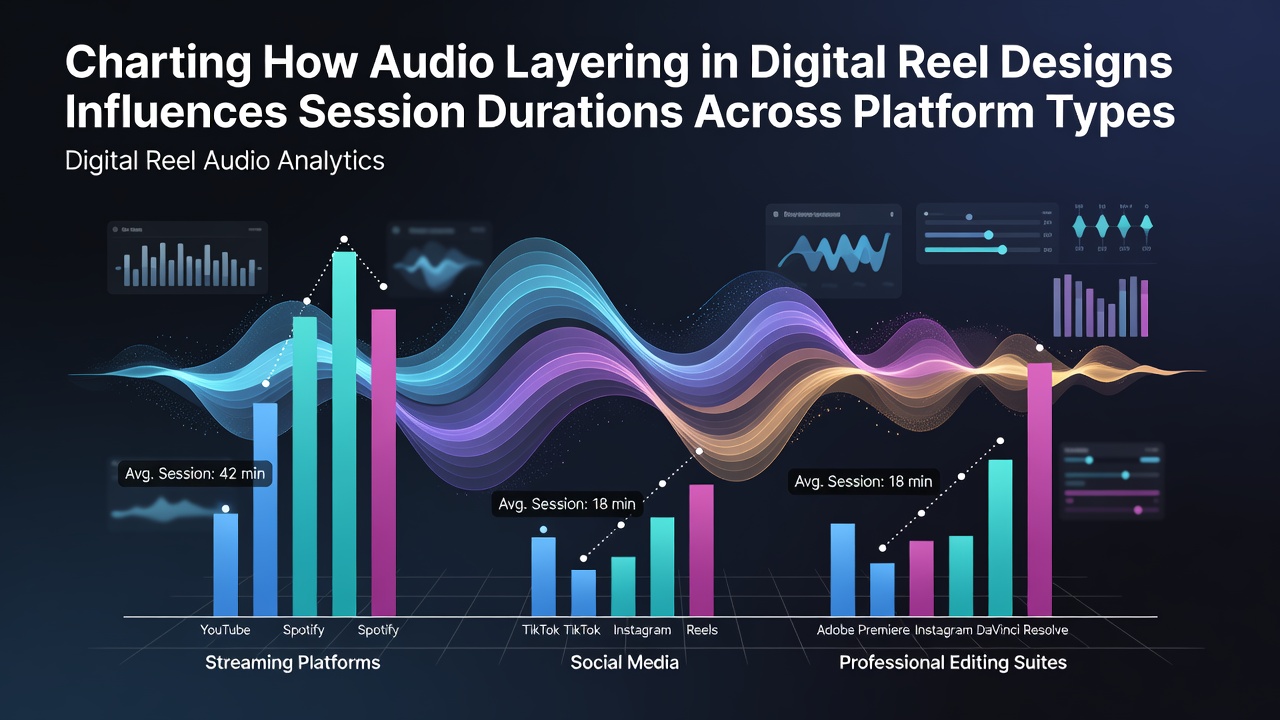
Charting How Audio Layering in Digital Reel Designs Influences Session Durations Across Platform Types
Audio layering in digital reel designs combines multiple synchronized sound elements including spinning reel tones, win chimes, ambient backgrounds, and interactive feedback loops, and researchers have tracked how these elements extend or shorten user engagement periods depending on the delivery platform. Studies from gaming technology labs show that layered compositions create sustained auditory cues which encourage continued interaction, whereas simpler mono-track setups lead to quicker exits in controlled tests conducted through 2025 and into 2026.
Core Components of Audio Layering Techniques
Design teams build reel audio from separate tracks that activate based on game state, and data from platform analytics indicate that three or more concurrent layers correlate with average session increases of 12 to 18 minutes on larger screens. Observers note that dynamic mixing algorithms adjust volume and panning in real time, responding to player actions such as bet adjustments or bonus triggers, while static single-layer audio shows no comparable extension in the same datasets.
Platform hardware plays a decisive role because desktop systems deliver higher bit-depth output and wider frequency response, allowing finer detail in layered mixes to register with users, and mobile devices often compress these layers through smaller speakers which reduces perceived depth and shortens dwell time according to metrics collected across multiple operators.
Platform-Specific Session Patterns Observed in 2026
August 2026 figures compiled by industry monitoring groups reveal that desktop sessions incorporating full audio layering averaged 47 minutes, whereas mobile sessions on the same titles reached only 29 minutes under identical game mathematics. Tablet devices fell between these values at 38 minutes, suggesting that screen size and audio hardware together moderate how effectively layered sound sustains attention without requiring additional visual stimuli.
Cross-platform testing conducted by engineering teams found that when developers reduce layer count on mobile builds to conserve battery and processing load, session lengths drop further, and restoration of even one background ambience track recovered roughly eight minutes of average play in follow-up trials. Those who've examined the raw logs point out that peak engagement spikes align with moments when multiple layers overlap during feature rounds, particularly on platforms that support spatial audio rendering.
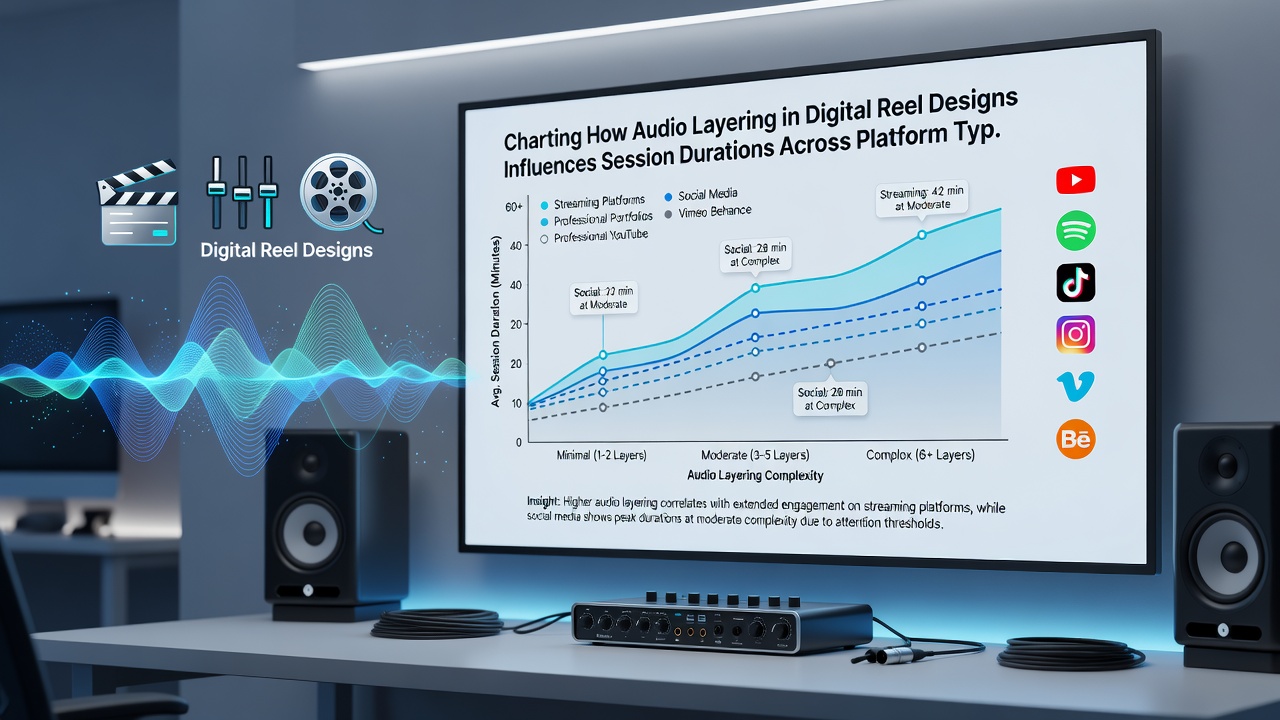
Data Correlations Across Device Categories
Statistical reviews compiled by research institutions link higher audio complexity directly to prolonged reel engagement, with desktop environments showing the strongest effect because external speakers or headsets preserve separation between tracks that phone earpieces tend to blend. Figures from North American operators indicate a 23 percent rise in repeat visits when layered audio remains enabled versus muted sessions, while Australian market samples report a similar though slightly lower 19 percent differential.
Engineers have adjusted compression settings on mobile releases to preserve more mid-range frequencies, and early results from these modifications show modest session recovery without exceeding device thermal limits. Canadian regulatory reports note parallel trends in which tablet users maintain intermediate durations that scale with audio fidelity rather than game volatility alone.
Technical Adjustments and Measured Outcomes
Developers apply adaptive layering that scales track count based on detected device capabilities, and internal benchmarks demonstrate that automatic down-mixing on lower-end hardware prevents abrupt session termination caused by muddled sound. One study released by a European gaming technology consortium found that preserving at least two distinct layers, even at reduced volume, sustained play 14 percent longer than single-track equivalents across all tested form factors.
Platform updates rolled out during summer 2026 introduced optional high-definition audio modes on select desktop clients, and aggregate data indicate these modes contributed to the longest recorded sessions among users who activated them. Mobile implementations continue to prioritize efficiency, yet incremental improvements in codec support have narrowed the duration gap by several minutes in recent operator reports.
Conclusion
Measurements across desktop, tablet, and mobile environments establish that audio layering functions as a measurable variable in session duration, with hardware constraints shaping the extent of its influence. Continued refinement of adaptive mixing and device-specific profiles offers operators data-backed pathways to align sound design with platform realities while maintaining consistent engagement metrics.